

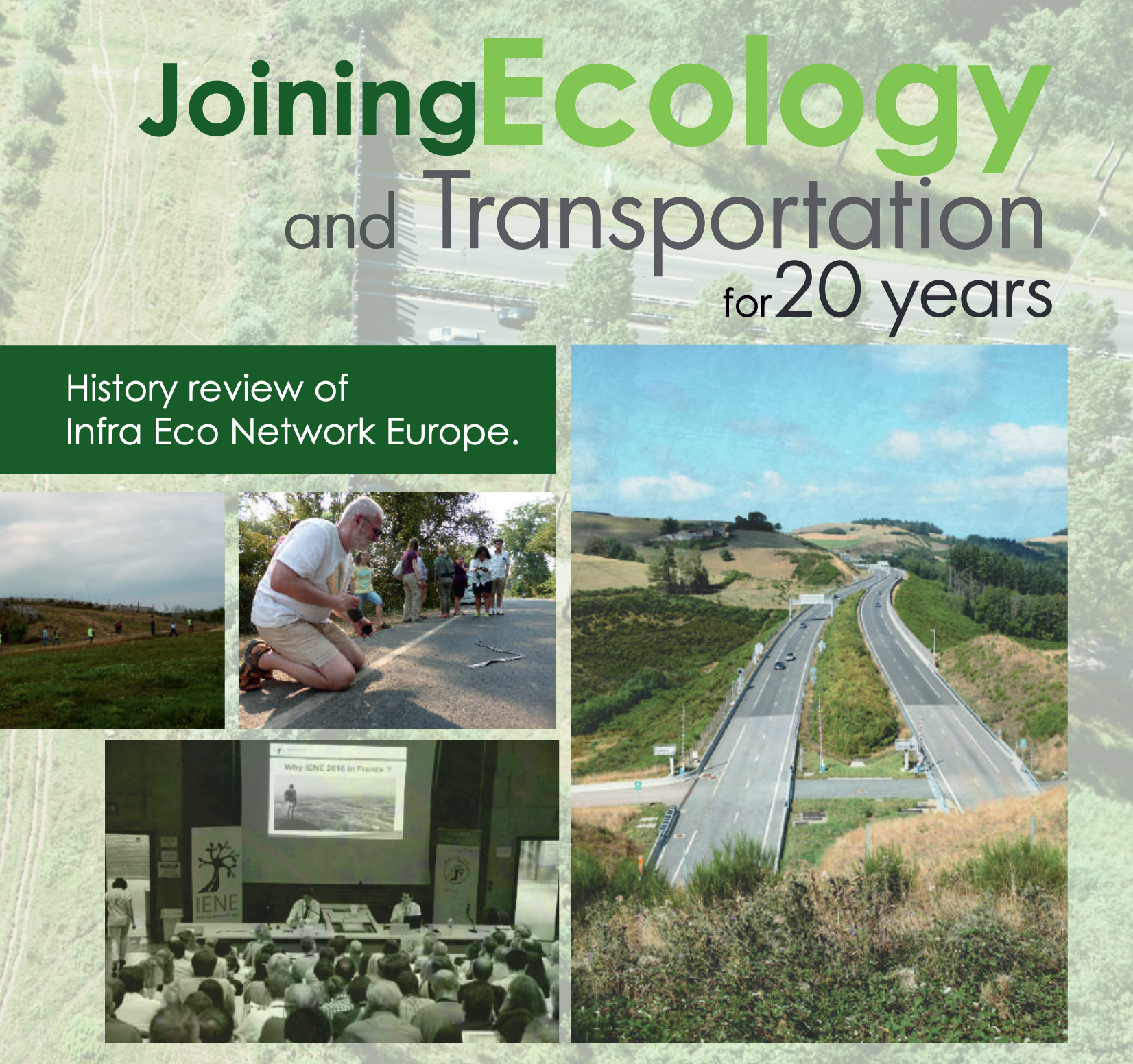
In 2016 IENE completed 20 years of history on joining Ecology and Transportation. The review of IENE history and its results published in 2018 and can be downloaded by the following link.
Introduction
The Infrastructure & Ecology Network Europe (IENE) is an international network of experts dedicated to improving the relationship between transport infrastructure and biodiversity. Its mission is to promote the exchange of knowledge, experience and best practices to support the development of safe, sustainable and biodiversity-friendly transport infrastructure across Europe and beyond.
IENE brings together researchers, engineers, policy makers, infrastructure managers and practitioners to address the ecological challenges associated with transport networks and landscape fragmentation. Today the network counts more than 400 members worldwide, forming a unique interdisciplinary forum for collaboration and innovation.
Origins of the Network
The origins of IENE date back to 1995, when an international conference on habitat fragmentation and infrastructure was organised in Maastricht (Netherlands). The event gathered experts from more than 25 countries and highlighted the need for a permanent international platform to address the ecological impacts of transport infrastructure.https://www.government.nl/
In response to this need, the Infrastructure & Ecology Network Europe (IENE) was established in 1996 as an initiative of the Road and Hydraulic Engineering Division of the Dutch Ministry of Transport, Public Works and Water Management.
The network aimed to facilitate cooperation and knowledge exchange between countries dealing with similar challenges such as habitat fragmentation, wildlife mortality and ecological connectivity across infrastructure networks.
Development and Evolution
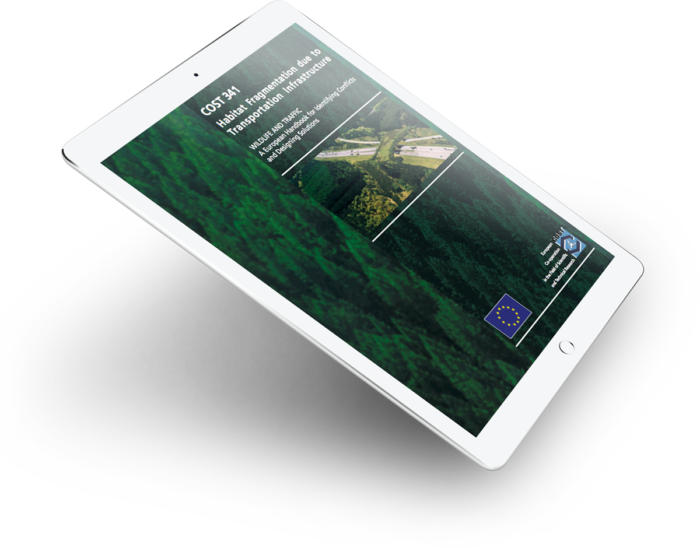
Over the years, the coordination of IENE moved between several European institutions and gradually expanded its activities and membership. Early initiatives included collaborative research and knowledge-sharing programmes, notably the COST 341 Action (1998–2003) on habitat fragmentation caused by transportation infrastructure.
After a period of reduced activity following 2003, the network was revitalised in 2009, when European stakeholders agreed to relaunch IENE and strengthen its governance and collaboration structures.
In 2018, the organisation took a further step toward institutional consolidation by transitioning into a European association with a strengthened governance framework, including a Governance Board and a Scientific and Expert Committee.
More recently, in 2021, IENE became a legal entity founded by several public authorities, including the Swedish Transport Administration, the French Ministry for Ecological Transition and Rijkswaterstaat in the Netherlands.
IENE Today
Today, IENE functions as an independent international and interdisciplinary network dedicated to advancing knowledge and practice at the intersection of infrastructure and ecology.
The network supports cooperation across borders in areas such as:
– research and innovation
– planning and design of transport infrastructure
– biodiversity protection and restoration
– mitigation of infrastructure impacts on ecosystems
– knowledge exchange between science, policy and practice
Through these activities, IENE contributes to the development of transport systems that are both efficient for society and compatible with ecological sustainability.
In addition to its networking role, IENE is actively involved in European initiatives and projects that promote biodiversity-friendly infrastructure. Among these is the Biodiversity and Infrastructure Synergies Opportunities Network (BISON) project, which supports the exchange of knowledge and the development of recommendations for integrating biodiversity considerations into transport infrastructure planning and policy across Europe.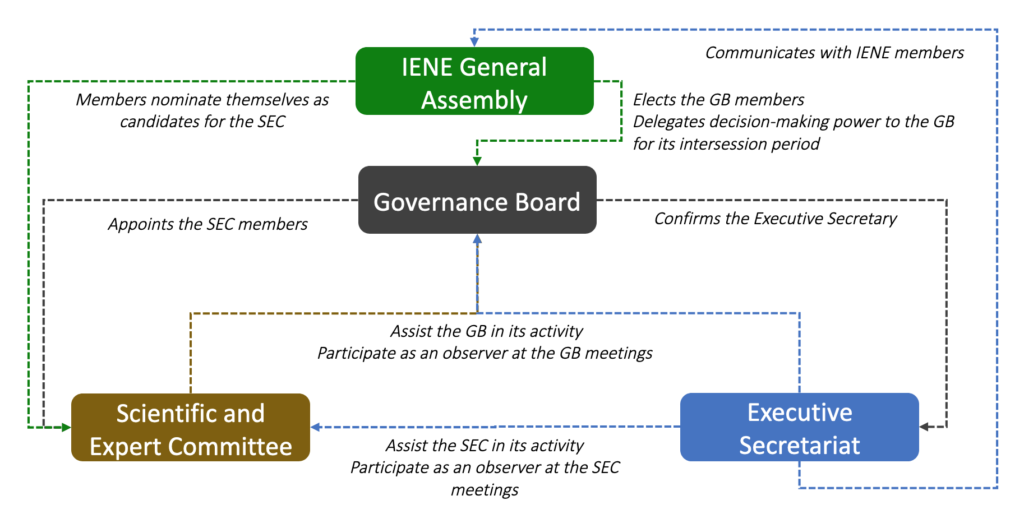
Activities and Initiatives
IENE promotes collaboration and knowledge exchange through a wide range of activities and initiatives.
International Conferences
Every two years, IENE organises an international conference bringing together researchers, practitioners and decision-makers to present research results, share experience and discuss solutions for sustainable transport infrastructure. These conferences have become key events for the global infrastructure ecology community.
Research and Knowledge Development
The network supports collaborative research initiatives and contributes to the development and dissemination of scientific and technical knowledge in the field of infrastructure ecology.
One of the major resources produced within the IENE community is the IENE Handbook on Wildlife and Traffic, a comprehensive reference that provides practical guidance on reducing wildlife mortality, designing mitigation measures such as wildlife crossings, and improving ecological connectivity across transport networks. The handbook has become an important reference for practitioners, researchers and infrastructure managers.
Working Groups
IENE also facilitates collaboration through thematic Working Groups, which bring together members with shared expertise or interests to address specific topics related to infrastructure and ecology.
These groups provide a platform for discussion, knowledge exchange and the development of practical guidance on emerging issues in the field. Working Groups help strengthen collaboration within the network and encourage the development of new ideas, research initiatives and best practices.
European Projects and Collaboration
IENE also contributes to European research and cooperation initiatives such as the BISON project, which aims to strengthen collaboration between infrastructure and biodiversity stakeholders and to develop tools and recommendations for biodiversity-friendly transport infrastructure.
Through these projects, IENE helps bridge the gap between research, policy and practical implementation.
Capacity Building and Networking
Workshops, seminars and training events foster the exchange of best practices and strengthen cooperation between stakeholders across Europe and internationally. Through these activities, IENE helps build capacity and encourages the adoption of innovative solutions that integrate ecological considerations into infrastructure development.
With members from academia, public authorities, infrastructure agencies, consultancy firms and NGOs, IENE has become a global community of experts working at the interface of ecology and transportation.
By facilitating dialogue and collaboration between disciplines and sectors, the network helps shape the future of transport systems that respect biodiversity and support resilient landscapes.